Is Your Dog Cold? How To Tell If They Need a Coat
Author:Allison
Released:February 20, 2026
You step outside into the bitter frost of a cold January morning. The icy air bites your face. You are bundled up, but your dog trots eagerly beside you in the freezing temperatures. A lingering question quickly surfaces as you walk. Does your furry companion actually need that stylish dog jacket?
The simple fact is no, not every dog needs coats in winter. Whether your dog needs extra layers depends on a few simple things: breed, size, coat thickness, age, and overall health. The weather also matters a lot. In some cases, winter dog clothing can help keep your dog safe and comfortable. In others, it is not needed at all.
What Changes The Need For a Coat
Looking at the thermometer alone does not tell the full story. A sunny 30-degree day feels very different from a damp, windy 30-degree day. Your dog feels that difference too.
Wind can pull warmth away from your dog’s body. Rain, sleet, and snow can soak their fur and make it much harder to stay warm. Once a dog gets wet, they can lose body heat much faster.
How long your dog stays outside also matters. A quick bathroom break usually does not call for extra layers. But a long walk, hike, or play session in the snow may call for more protection. Before you head out, always think about both the weather and the time your dog will spend outside.
Signs Your Dog Is Cold
Dogs cannot tell us in words when they are freezing, but their behavior gives away a lot. If you are wondering how to tell if your dog is cold, start by watching their body language.
The most obvious sign is shivering. If your dog starts shaking a lot after being outside for a few minutes, that is a clear warning. It usually means they are getting too cold and should head indoors.
A hunched posture is another sign to watch for. Cold dogs often try to make themselves smaller to save warmth. They may tuck their tail, lower their head, or stand very still. That curled up posture often means they are uncomfortable.
Pay attention to their paws too. If your dog keeps lifting their feet off the ground, they may be reacting to cold pavement or snow. If they refuse to keep walking or keep shifting from paw to paw, they may need to warm up.
Some dogs will also change their behavior in a hurry. They may press against your legs, slow down, turn back, or pull toward home. These are all signs your dog is cold and wants to get somewhere warmer.
Dogs That Need Extra Help
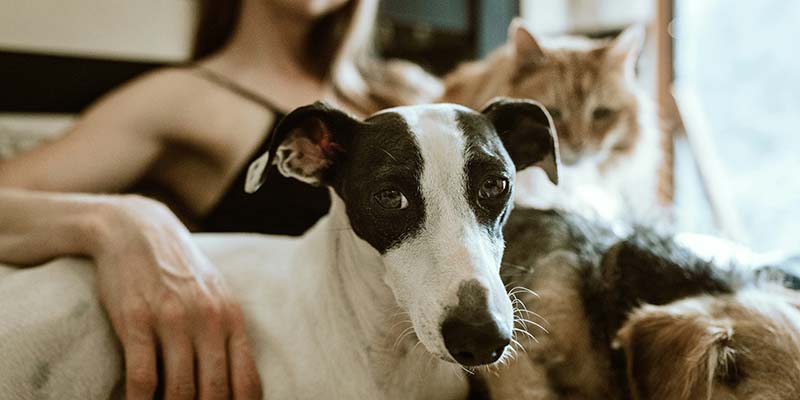
Small dogs and thin coated dogs usually lose heat more quickly. Dogs like Chihuahuas, Greyhounds, and French Bulldogs often need more help staying warm because they do not have as much natural insulation.
Age matters too. Puppies have a harder time keeping their body temperature steady. Senior dogs may feel the cold more because of stiffness, arthritis, or weaker health. According to the American Veterinary Medical Association, very young and older pets face a higher risk of hypothermia.
Some health problems can also make it harder for dogs to stay warm. Dogs with thyroid issues or Cushing’s disease may need closer attention in winter. Even mild weather can make them shiver or seem uncomfortable.
If a small or sick dog hesitates at the door, whines outside, or keeps lifting its paws, do not push them to stay out longer. Comfort should come first.
Dogs Built For Cold Weather
Some dogs are naturally made for winter. Breeds like Siberian Huskies, Alaskan Malamutes, Chow Chows, Bernese Mountain Dogs, and Great Pyrenees have thick double coats that help hold in warmth and block snow.
For these dogs, extra clothing is not always needed. In some cases, too much clothing can actually trap too much heat. That can make a cold-weather walk uncomfortable or even risky.
If a thick coated dog starts panting a lot, drooling, or slowing down, they may be too warm. In most normal winter conditions, their natural coat does the job well on its own.
When To Put On a Coat
There is no perfect temperature that works for every dog, but there are good general guidelines.
For small dogs, short haired dogs, puppies, and senior dogs, 32°F-0°C is a common point where a coat starts to help. For thick-coated dogs, the comfort range may go lower, around 20°F-6.6°C, before they show signs of stress.
Still, temperature is only part of the picture. Wind and wet weather can make things feel much colder. A 35°F day with sleet and strong wind can be far more uncomfortable than a dry sunny 35°F day.
If your dog gets wet from slush or freezing rain, they may need protection even sooner. Keep an eye on the forecast and adjust based on the actual conditions, not just the number on the screen.
Choosing The Right Coat
A good coat should do more than look cute. It should help your dog stay warm without getting in the way.
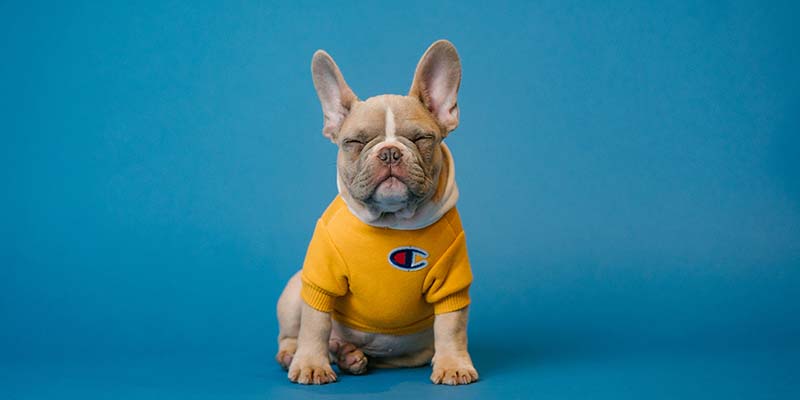
A proper dog jacket should cover the chest, back, neck, and belly areas that lose heat quickly. It should stop near the base of the tail so your dog can still go to the bathroom easily.
The fit should be snug, but not tight. You should be able to slide two fingers under the collar and around the chest. If your dog cannot move their shoulders well, the coat is too small.
A coat that is too loose can also cause problems because cold air can get inside. Dogs with different body shapes may need different cuts. Deep chested dogs and broad chested dogs often need more tailored fits. If your dog freezes in place or walks awkwardly after you put the coat on, the fit may be wrong.
When the coat is not a good idea
Putting a coat on a dog that does not need one can cause problems too. Dogs cool themselves differently from people, mostly through panting. If they get too warm, it can become uncomfortable fast.
Watch for heavy panting, extra drooling, slowing down, or looking tired during a winter walk. These can be signs that the coat is too heavy or that your dog is overheating.
Skin rubbing is another thing to watch for, especially around the neck and under the legs. If your dog refuses to wear the coat, runs away from it, or seems upset when you put it on, that is a clear sign the gear is not a good fit.
Final check before you go
Before stepping outside, look at three things:
- The weather, including temperature, wind, and moisture.
- Your dog’s body type, coat thickness, age, and health.
- Your dog’s behavior once they are outside.
If your dog is shivering, lifting paws, slowing down, or trying to go home, that is your answer. Use those clues to decide whether your dog needs winter dog clothing or whether they are fine without it.
Winter walks should be safe and comfortable for both of you. Watch your dog closely during the first few cold weather outings, and let their behavior guide you.
Related Posts
Cat Appetite Changes: Causes You Should Not Ignore
Is Your Indoor Cat Bored? Simple Ways To Entertain Them
Cat Sleep Positions Explained: What Each Pose Really Means
These Popular Cats Have Hidden Problems You Need to Know About

How to Pick Dog Daycare That Actually Works